“I AM STILL HERE – My Lens” – women who survived human trafficking in images and words
For the last 9 months, Stop Trafficking Africa and the Hope Education Project, Ghana have been working with Magnum Photos photographer, Newsha Tavakolian, to produce a groundbreaking photography project to mark World Day Against Trafficking in Persons 2025.
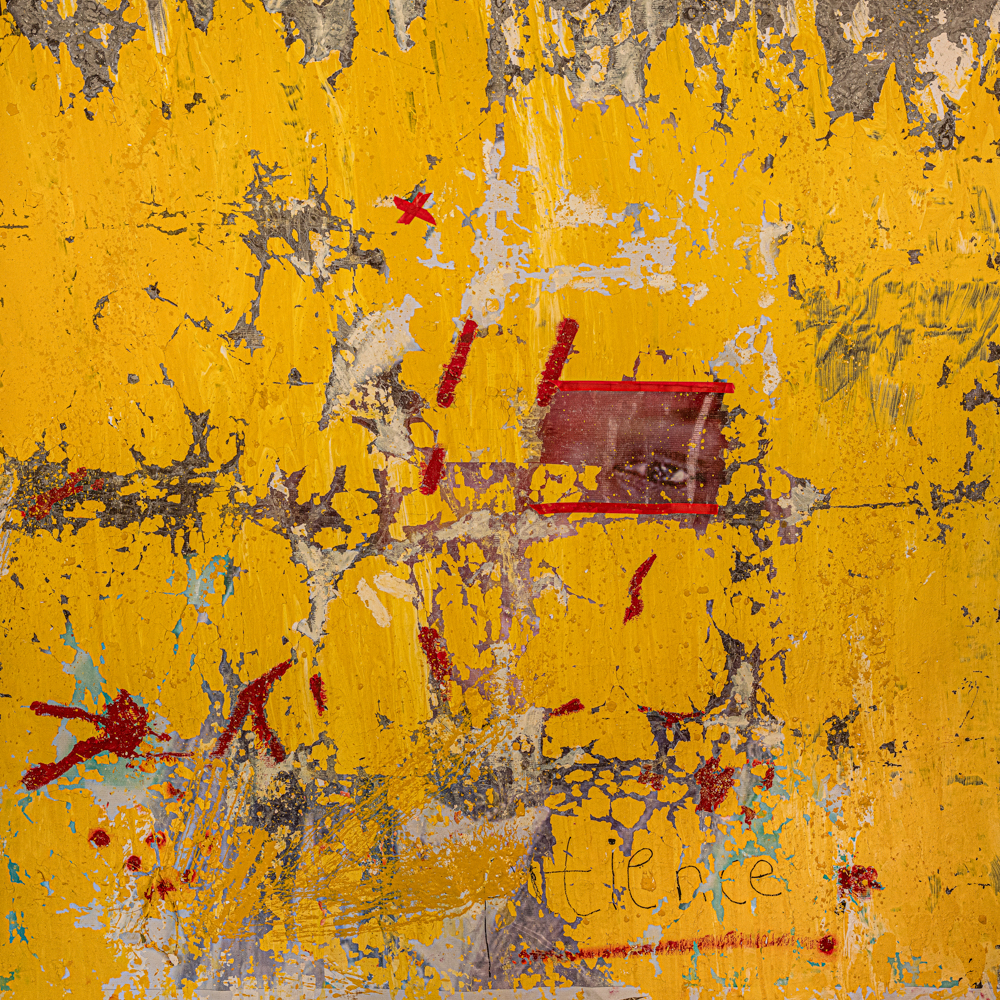
Portrait of Grace.
In a symbolic act—painting over her old image. This ritualistic act represents Grace’s journey of healing and reclaiming her identity after the trauma of sex trafficking. By covering her old image, she is metaphorically shedding the past and embracing her strength.
© Newsha Tavakolian / Magnum PhotosThis unique collection of photographs gives a powerful insight into the lives and perspectives of people who have survived human trafficking and modern slavery through their own eyes and in their own words.
Newsha visited four survivors of human trafficking in Nigeria and Kenya rescued by our sister project, Hope Education Project, Ghana. Working collaboratively, the result is an art photography exhibition that puts survivor voices at the centre of the conversation about human trafficking and modern slavery.
We were incredibly fortunate to have collaborated on this project with The Salvation Army in the UK. The exhibition includes three survivors of modern slavery under their care in the UK. Through the amazing work of Anne Makumi in Kenya, the Salvation Army were kind enough to support one of our victims featured in the exhibition when she found herself destitute upon her return from Dubai, a testament to the international reach and amazing work of the organisation.
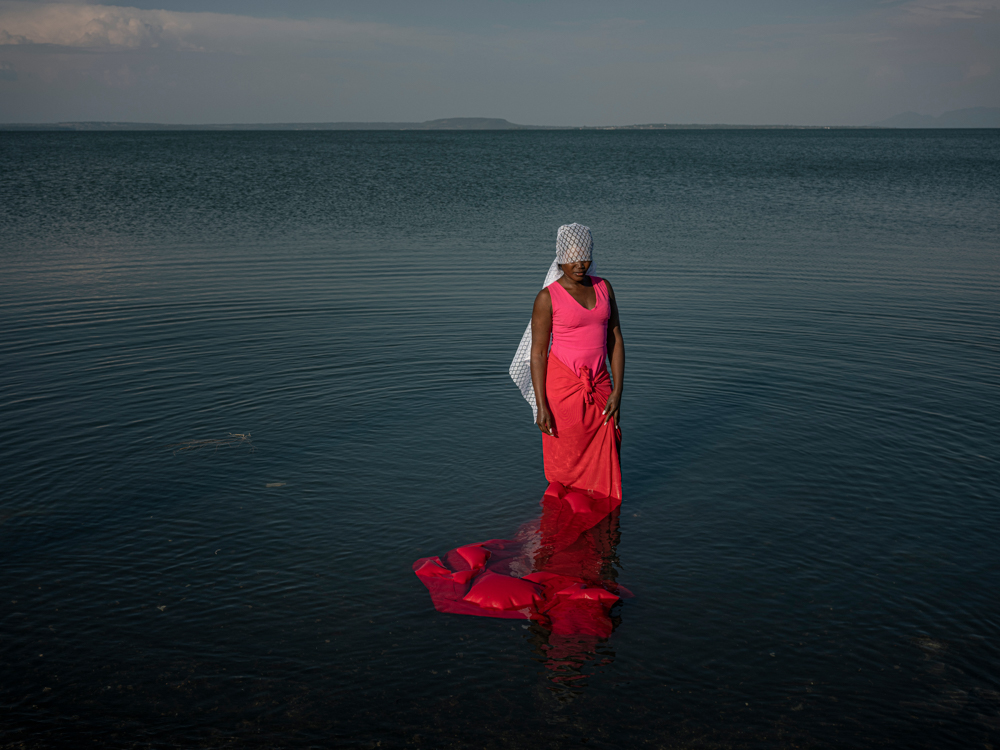
Maryam. In search of better opportunities to support her two children, she took a chance on a promising offer in Dubai. However, the reality of her situation quickly became a nightmare as she discovered that she had been deceived into a life of forced prostitution.
Her attempts to return to her children were stifled as she was told that she could only leave once she paid off her supposed debt for visa and travel arrangements. The physical abuse she suffered was relentless; she endured beatings and torture, resulting in a lost tooth when she refused to comply.
Eventually, she managed to escape but was soon apprehended by the police, leading to a three-month imprisonment in Dubai. Following her release, she was deported to Kenya with nothing to her name, left to pick up the pieces after her harrowing ordeal.
© Newsha Tavakolian / Magnum PhotosEach photo is based on what survivors themselves wanted to express – not just about what they went through, but how they have survived, healed and moved forward. The project offers a rare chance to hear directly from survivors and understand what modern slavery really looks like in today’s world.
The exhibition is now live online here and will also be open to the public at The Salvation Army’s International Headquarters on Queen Victoria Street in London from 27th August to 11 September 2025.
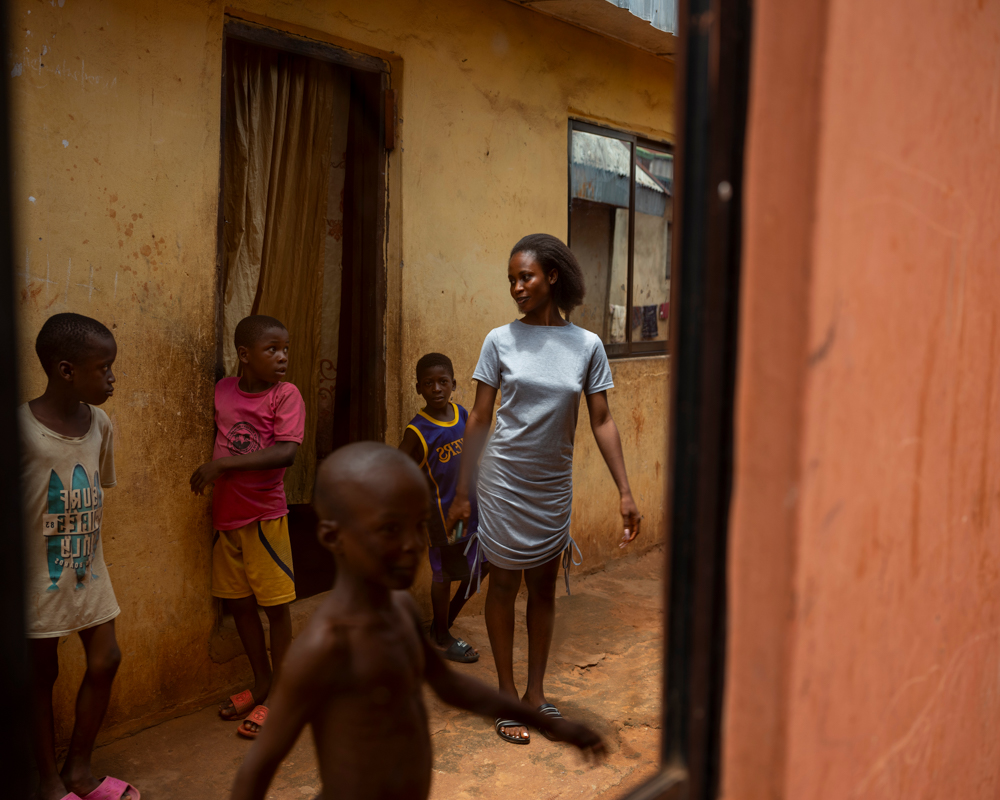
View of Theresa’s home.
Theresa, a survivor of sex trafficking in Anambra, was rescued from Dubai and returned to Nigeria with the help of an NGO. She had a life of abuse and violence, often beaten for refusing to engage in sexual acts.
Her life has been marked by struggle from the very beginning. Born a twin, her brother tragically died just days after birth. Facing pressure to sacrifice Theresa, her father abandoned her in a bush, but her mother intervened and placed her in the care of an aunt.
At the age of 12, Theresa confronted her father and declared her determination to become stronger than him, he accepted her back into the family before leaving to fight Boko Haram as a soldier. Following his death, Theresa has taken on the responsibility of being the family’s sole breadwinner.
© Newsha Tavakolian / Magnum Photos